THE EFFECT
Fewer objects remembered
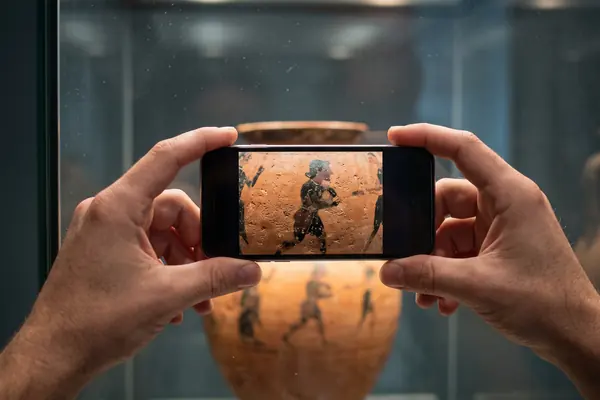
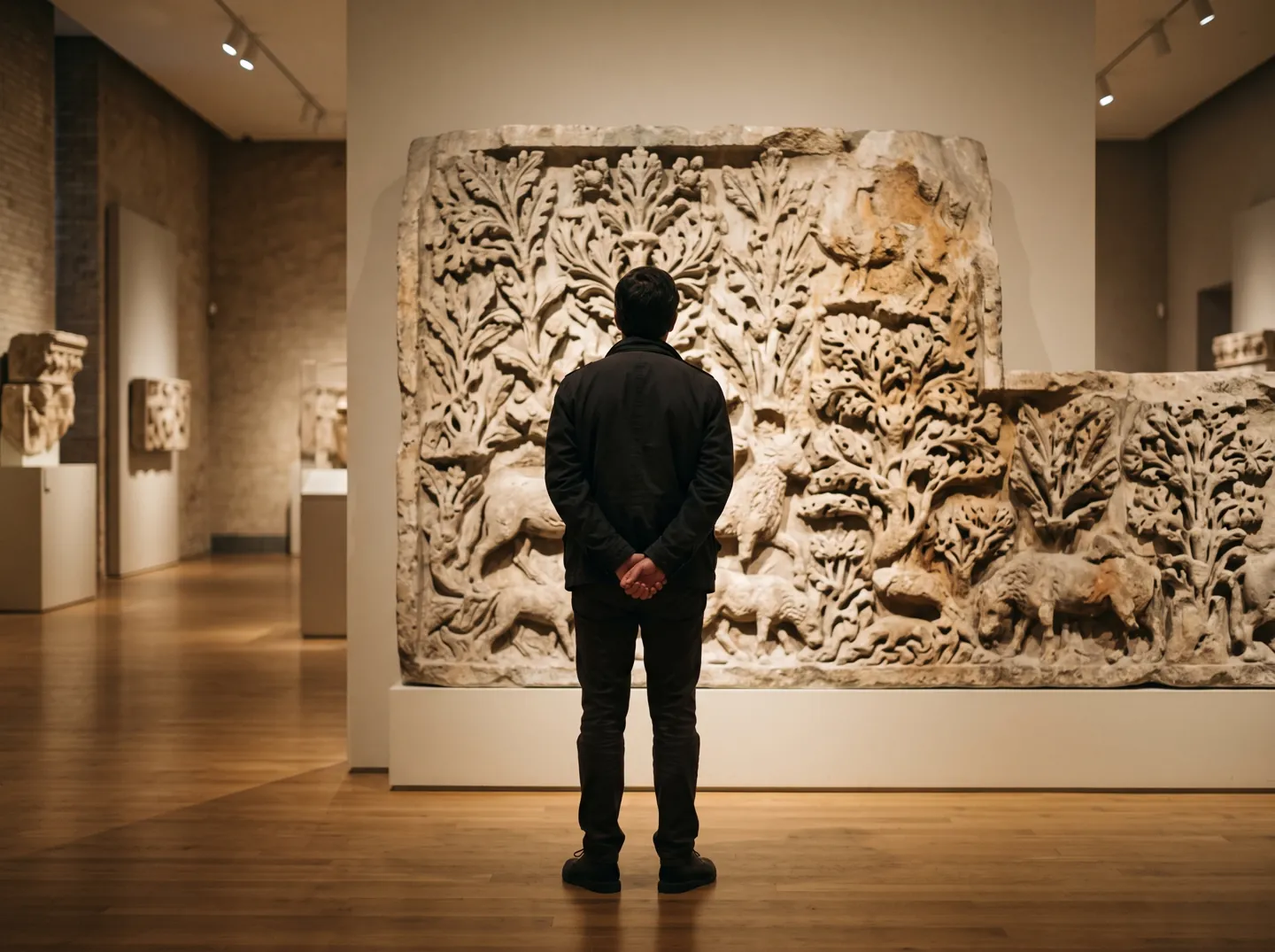
On a guided museum tour, people who photographed whole objects remembered fewer objects and fewer details than when they only observed them.
See the studies doodlephotographs
WHAT MEMORY RESEARCH SAYS
A photo can stand in for remembering.
Check your habit
LOOK · ZOOMthen shoot
In a museum study, people remembered fewer of the objects they photographed than the ones they simply looked at. Psychologists call it the photo-taking-impairment effect, and how you take the picture seems to matter.
Updated
THE SHORT ANSWER
Several studies find photographing something can weaken memory of it.
How and why you take the photo changes the result.
THE EFFECT
On a guided museum tour, people who photographed whole objects remembered fewer objects and fewer details than when they only observed them.
See the studiesTHE TWIST
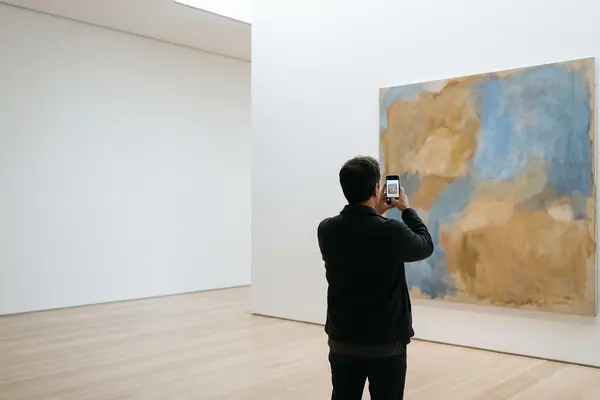
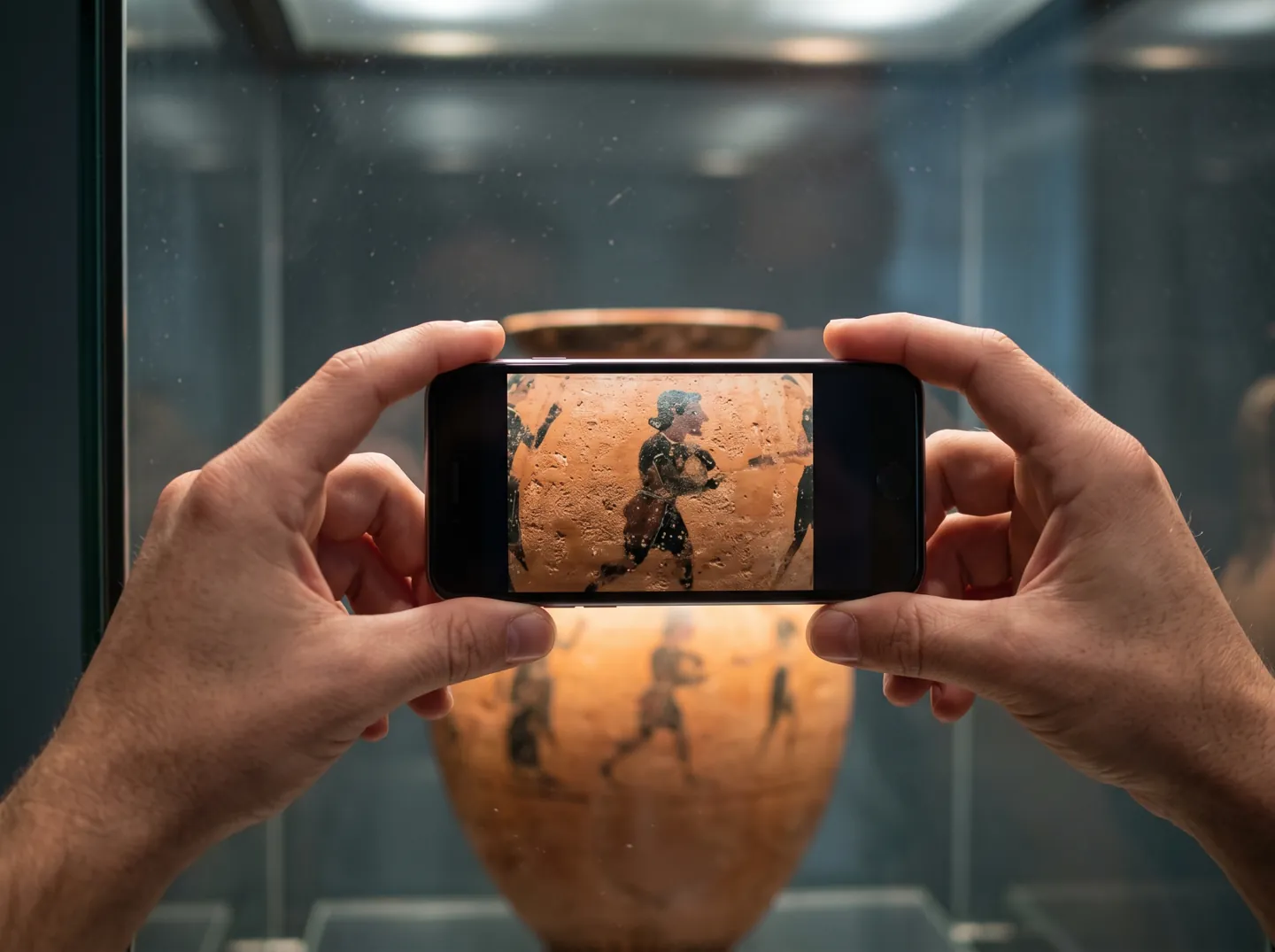
When people zoomed in to photograph a specific part of an object, their memory was not impaired, even for the parts left out of the frame.
Check your habitTHE TRADE-OFF
A 2017 study found people who chose to take photos recognised more of what they saw but remembered less of what the audio guide said.
What to tryA QUICK HABIT CHECK
Pick what you usually do at an exhibition. The bar shows how well the studies suggest you remember what you saw.
Based on Henkel (2014), Barasch and others (2017) and Shares and Storm (2022). Museum and lab studies.
TWO NUMBERS WORTH KNOWING
One figure on taking lots of shots,
one on how often the trade-off appeared.
5 photos
Photos of each painting, memory still worse
In three lab studies with about 400 people, taking five photos of each painting still led to poorer memory than only observing it, even when the five shots had to be different.
SHARES AND STORM · 2022
4 experiments
Experiments showing the sight and sound trade-off
Across four experiments, people who chose to take photos recognised more of what they saw but remembered less of what they heard.
BARASCH AND OTHERS · 2017
The two lines of research measured different things: directed photos of set objects in Henkel's study, and photos people chose to take in Barasch's. Both found that photo-taking changes what we remember.
FOUR HABITS TO TRY
None of the studies says never take photos. They suggest a few ways to make the pictures work with your memory rather than instead of it.
Objects people only observed were remembered best, so give each thing a proper look first.
Framing a specific part took more attention and removed the memory loss in the museum study.
Photo-takers remembered less of the audio guide, so pause the camera while someone is talking.
Henkel notes that to remember, we have to access and interact with our photos, not just amass them.
WHY IT HAPPENS
One idea is offloading: counting on the camera to record the moment, so we do not attend to it fully. Yet in the 2022 studies people knew a memory test was coming and the effect still appeared.
Another idea is disengagement: taking a photo pulls attention away from the thing itself. Zooming in may work because it brings attention back to what you are looking at.
Questions
It can weaken memory of what you photograph. In a 2014 museum study, people remembered fewer objects and fewer details when they photographed whole objects than when they only looked at them.
The name psychologist Linda Henkel gave to the finding that photographing objects can lead to worse memory for them than simply observing them.
In Henkel's second study, zooming in to photograph a specific part of an object removed the impairment, and memory for the parts not zoomed in on was just as strong.
Not in the studies so far. In 2022 lab studies with about 400 people, taking five photos of each painting still led to poorer memory than just observing it.
A 2017 study found that people who chose to take photos recognised more objects visually, but remembered less of what they heard, such as an audio guide.
ABOUT THIS NAME
doodlephotographs.com is part of the DoodleSale portfolio. It isn't in an auction right now, but you can ask about leasing it.